
Description
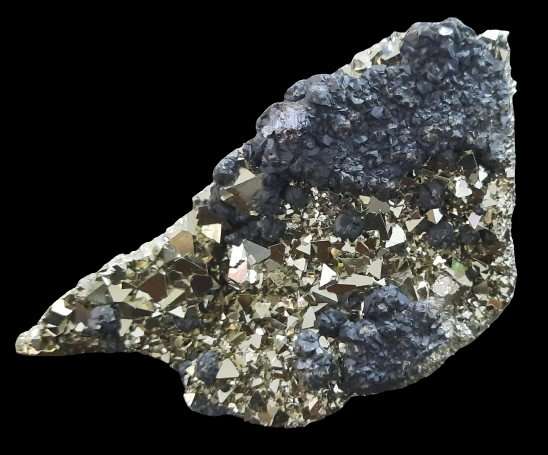
Collector Item: Rare Peruvian Pyrite Cluster with Sphalerite & Galena (1 Piece)
Introduction
The Rare Peruvian Pyrite Cluster with Sphalerite and Galena is an exceptional collector’s mineral specimen that beautifully illustrates the complexity and artistry of Earth’s geological processes. Formed deep within hydrothermal ore systems over millions of years, this natural association of three economically and scientifically important minerals creates an impressive display of metallic brilliance and crystal growth.
Peru is internationally recognised as one of the world’s finest sources of high-quality Pyrite specimens, producing sharp, well-formed cubic crystals admired by collectors and museums worldwide. When naturally associated with Sphalerite, the principal ore of zinc, and Galena, the principal ore of lead, these specimens become even more desirable due to their rarity, mineralogical significance, and striking visual contrast.
Whether displayed as a museum-quality mineral specimen, an educational geological sample, or a centrepiece in a crystal collection, this cluster showcases the remarkable diversity and precision of natural crystal formation.
From a scientific perspective, it represents a fascinating example of hydrothermal mineralization. In traditional metaphysical practices, each mineral carries its own symbolic associations, making the combination popular among crystal enthusiasts who appreciate both natural history and spiritual symbolism.
Why Choose This Mineral Specimen?
This collector-grade specimen offers far more than visual appeal.
It is appreciated for its:
- Natural association of three important minerals.
- Rare Peruvian origin.
- Collector-grade crystal quality.
- Brilliant metallic lustre.
- Museum-display aesthetics.
- Educational geological significance.
- Excellent investment for mineral collections.
- Beautiful natural crystal formations.
- Ideal gift for mineral collectors.
- Unique one-of-a-kind natural specimen.
No two specimens are identical, making every piece a genuine geological treasure.
Product Features
- 100% Natural Peruvian mineral specimen.
- Collector-grade Pyrite crystals.
- Naturally associated Sphalerite and Galena.
- Brilliant metallic lustre.
- Natural crystal cluster.
- Untreated mineral specimen.
- Excellent cabinet display piece.
- Ideal for mineral collectors and geology enthusiasts.
- Suitable for crystal collections, offices, and educational displays.
- Every specimen is naturally unique.
Crystal Overview
This specimen consists primarily of Pyrite (FeS₂) accompanied by naturally occurring Sphalerite (ZnS) and Galena (PbS), three sulfide minerals commonly formed together within hydrothermal ore deposits.
Pyrite typically develops as bright metallic cubes or pyritohedrons, while Sphalerite often appears as resinous to submetallic dark brown, reddish-brown, or black crystals. Galena contributes highly reflective silver-grey cubic crystals with distinctive metallic lustre.
The combination of these minerals produces dramatic colour and texture contrasts, making these specimens highly sought after by collectors and mineral museums.
Peru’s polymetallic mining districts are particularly famous for producing world-class associations of these minerals, with exceptional crystal quality and aesthetic appeal.
Physical Properties
Primary Mineral: Pyrite
Mineral Class
Sulfides
Chemical Formula
FeS₂ (Iron Disulfide)
Crystal System
Isometric (Cubic)
Crystal Habit
Cubic, pyritohedral, octahedral, massive, granular, radiating clusters.
Mohs Hardness
6–6.5
Density
Approximately 4.9–5.2
Lustre
Metallic
Transparency
Opaque
Cleavage
Poor to indistinct
Fracture
Uneven to conchoidal
Streak
Greenish black to brownish black
Colour
Brassy gold to pale brass-yellow
Associated Mineral: Sphalerite
Chemical Formula
ZnS (Zinc Sulfide)
Mineral Class
Sulfides
Crystal System
Isometric
Mohs Hardness
3.5–4
Colour
Brown, reddish-brown, honey-yellow, orange, black
Lustre
Resinous to submetallic
Transparency
Transparent to opaque depending on iron content
Associated Mineral: Galena
Chemical Formula
PbS (Lead Sulfide)
Mineral Class
Sulfides
Crystal System
Isometric
Mohs Hardness
2.5–2.75
Colour
Lead grey to silver-grey
Lustre
Bright metallic
Transparency
Opaque
Geological Formation
These minerals crystallize together from hot hydrothermal fluids circulating through fractures within host rocks. As temperature, pressure, and chemistry gradually change, different sulfide minerals precipitate in sequence, often forming spectacular intergrown crystal assemblages.
The polymetallic ore systems of Peru provide ideal geological conditions for producing collector-quality Pyrite, Sphalerite, and Galena associations renowned worldwide.
Common Inclusions
Natural specimens may display:
- Quartz
- Chalcopyrite
- Fluorite
- Calcite
- Dolomite
- Tetrahedrite
- Arsenopyrite
- Barite
depending on the locality.
Treatments
Collector-grade mineral specimens are generally sold in their natural state.
Cleaning may involve water or mechanical removal of loose matrix, but artificial enhancement is uncommon among reputable mineral dealers.
Natural or Treated
This specimen is 100% natural, with no artificial colouring or manufactured crystal growth.
Availability
Availability: Rare (Collector Grade)
While Pyrite itself is relatively common, aesthetically balanced specimens featuring well-crystallized Pyrite with naturally associated Sphalerite and Galena are considerably rarer and highly sought after by collectors.
Museum-quality specimens command premium prices due to:
- Crystal quality
- Mineral association
- Locality
- Crystal size
- Damage-free terminations
- Overall aesthetics
Major Mining Localities
- Peru (Huanzala, Huallanca, Cerro de Pasco, Quiruvilca, Julcani, Castrovirreyna)
- Mexico
- Spain
- Bulgaria
- China
- Romania
- Kosovo
Peruvian specimens are among the most desirable worldwide due to their exceptional crystal quality and attractive mineral associations.
Historical Significance
Pyrite has fascinated civilizations for thousands of years because of its brilliant metallic appearance and its ability to produce sparks when struck against steel, earning it the nickname “Fire Stone.” Ancient cultures used Pyrite in tools, ceremonial objects, jewellery, mirrors, and early fire-starting methods.
Sphalerite and Galena have also played vital roles throughout human history as the principal ores of zinc and lead, contributing to the development of metallurgy, architecture, coinage, pigments, and industrial technologies.
Peruvian mining districts have been internationally recognised for centuries for producing some of the world’s finest sulfide mineral specimens. Today, rare associations of Pyrite, Sphalerite, and Galena are prized by museums, universities, private collectors, and geology enthusiasts for both their scientific importance and extraordinary natural beauty.
Traditional Metaphysical Properties
Important Note: The following metaphysical properties are based on traditional crystal healing practices, historical symbolism, and spiritual beliefs. They are provided for educational and informational purposes only and are not scientifically proven. Crystal healing is considered a complementary spiritual practice and should not replace professional medical, psychological, legal, or financial advice.
A Rare Peruvian Pyrite Cluster with Sphalerite & Galena combines the symbolic qualities traditionally attributed to three distinct minerals. In crystal healing traditions, Pyrite is often associated with confidence, motivation, and abundance; Sphalerite with grounding, discernment, and balanced energy; and Galena with stability, organization, and inner strength. Together, they are commonly viewed as a complementary combination for creating a sense of balance between ambition and practicality.
Traditional Metaphysical Properties
Physical Well-being (Traditional Beliefs)
In crystal healing traditions, this mineral combination is believed to:
- Symbolically support vitality and resilience.
- Encourage a balanced flow of energy.
- Promote a sense of stability during demanding periods.
- Complement meditation and holistic wellness practices.
- Support grounding and mindful awareness.
These associations are based on traditional beliefs and have not been scientifically established.
Emotional Well-being (Traditional Beliefs)
Crystal practitioners traditionally associate this mineral combination with:
- Emotional resilience
- Inner stability
- Courage during change
- Patience
- Self-confidence
- Emotional grounding
- Balanced emotional responses
- Letting go of negativity
Pyrite is commonly viewed as encouraging optimism, while Sphalerite and Galena are traditionally believed to bring steadiness and emotional balance.
Mental Well-being (Traditional Beliefs)
Traditionally believed to encourage:
- Clear thinking
- Concentration
- Practical decision-making
- Mental organization
- Analytical thinking
- Confidence in problem-solving
- Disciplined planning
- Improved focus
Many people display Pyrite specimens on study or work desks as symbolic reminders of determination and productivity.
Spiritual Properties (Traditional Beliefs)
In metaphysical traditions, this combination is often associated with:
- Spiritual grounding
- Personal transformation
- Mindful awareness
- Self-discovery
- Inner wisdom
- Balanced spiritual growth
- Harmony between material and spiritual pursuits
Rather than encouraging escapism, these minerals are traditionally believed to promote practical spirituality rooted in everyday life.
Energetic Properties (Traditional Beliefs)
Many crystal practitioners believe this mineral association may:
- Encourage balanced energy.
- Symbolically transform stagnant energy.
- Support grounding practices.
- Promote focused intentions.
- Complement Reiki, meditation, and crystal grid work.
These beliefs are rooted in crystal healing traditions rather than scientific evidence.
Protection
Pyrite has long been regarded as one of the most popular symbolic protection crystals.
Together with Sphalerite and Galena, this specimen is traditionally associated with:
- Creating a symbolic energetic shield.
- Encouraging healthy personal boundaries.
- Supporting emotional resilience.
- Promoting confidence during challenging situations.
- Maintaining a grounded mindset.
Many practitioners place Pyrite clusters near entrances, offices, or meditation spaces as part of their personal spiritual practices.
Grounding
Grounding is one of the strongest symbolic themes associated with Sphalerite and Galena.
This combination is traditionally believed to encourage:
- Stability
- Practical thinking
- Presence in the moment
- Emotional balance
- A strong connection with the Earth
- Calm responses under pressure
Many practitioners use this mineral combination during grounding meditation or mindfulness exercises.
Meditation
This collector specimen is commonly displayed in meditation spaces due to its impressive natural crystal formation and symbolic qualities.
Many people use it during:
- Seated meditation
- Mindfulness practices
- Breathwork
- Yoga
- Mantra chanting
- Visualization
- Journaling
- Intention setting
Practitioners often regard Pyrite as encouraging focused intention, while Sphalerite and Galena symbolically support grounding and stability.
Manifestation
In crystal traditions, Pyrite is one of the most popular minerals associated with manifestation practices.
Rather than being viewed as creating wealth on its own, it is traditionally believed to symbolically encourage:
- Goal setting
- Determination
- Productive action
- Confidence
- Strategic planning
- Consistency
- Motivation
Sphalerite is often added for discernment, while Galena is associated with maintaining stability throughout the process.
Prosperity
Pyrite has historically earned the nickname “Fool’s Gold” because of its resemblance to gold, yet in metaphysical traditions it has become one of the most widely recognised crystals symbolically associated with prosperity.
Many practitioners believe it encourages:
- Productive thinking
- Business confidence
- Wise financial planning
- Career motivation
- Long-term success through disciplined effort
These are symbolic associations rather than guarantees of financial outcomes.
Relationships
Traditionally associated with:
- Mutual respect
- Honest communication
- Healthy boundaries
- Emotional maturity
- Trust
- Stability
- Cooperation
The combination of grounding and confidence is believed by many practitioners to support balanced interpersonal relationships.
Career
Pyrite has become one of the most frequently recommended crystals in modern crystal traditions for professional environments.
It is traditionally believed to encourage:
- Leadership
- Productivity
- Confidence
- Strategic thinking
- Decision-making
- Goal achievement
- Professional resilience
- Entrepreneurial mindset
Many people display Pyrite clusters in offices as symbolic reminders of focus and determination.
Creativity
Traditionally associated with:
- Creative confidence
- Innovative thinking
- Practical creativity
- Productive ideas
- Problem-solving
- Building new projects
Artists, designers, architects, engineers, and entrepreneurs often appreciate Pyrite for its symbolic connection with turning ideas into practical achievements.
Intuition
Although primarily regarded as grounding minerals, practitioners also associate this combination with:
- Balanced intuition
- Wise judgement
- Self-awareness
- Practical insight
- Discernment
- Thoughtful observation
Rather than emphasizing psychic abilities, these minerals are commonly viewed as encouraging grounded intuition and careful decision-making.
Confidence
One of Pyrite’s strongest traditional associations is confidence.
Crystal practitioners believe it symbolically encourages:
- Self-belief
- Courage
- Motivation
- Determination
- Positive action
- Personal responsibility
- Leadership
- Emotional resilience
Many professionals keep Pyrite on their desks as a symbolic reminder of confidence and purposeful action.
Chakra Associations
Primary Chakras
Solar Plexus Chakra (Manipura)
Pyrite is most commonly associated with the Solar Plexus Chakra.
Traditionally believed to encourage:
- Confidence
- Personal power
- Motivation
- Leadership
- Self-esteem
- Purpose
Root Chakra (Muladhara)
Sphalerite and Galena are traditionally associated with the Root Chakra.
Practitioners believe they may symbolically support:
- Stability
- Security
- Grounding
- Balance
- Physical presence
- Emotional resilience
Secondary Chakras
Some crystal practitioners also associate this mineral combination with the:
Sacral Chakra (Swadhisthana)
Traditionally linked with:
- Creativity
- Motivation
- Healthy ambition
- Balanced emotions
Vedic Astrology
Important Note: Classical Vedic astrology (Jyotish) does not prescribe Pyrite, Sphalerite, or Galena as primary planetary gemstones (Ratnas). The following associations are based on modern Vedic crystal traditions, symbolic correspondences, and contemporary spiritual practices. They should be regarded as complementary spiritual associations rather than substitutes for gemstones traditionally prescribed by a qualified Vedic astrologer.
Planet Associations
Pyrite — Surya (Sun)
Pyrite is most commonly associated with Surya (Sun) because of its brilliant metallic golden appearance and symbolic qualities of:
- Confidence
- Leadership
- Personal authority
- Vitality
- Determination
- Recognition
- Success
Some practitioners also associate Pyrite with Guru (Jupiter) because of its symbolism of abundance, wisdom, and expansion.
Sphalerite — Shani (Saturn)
Sphalerite is traditionally linked in modern crystal practices with:
- Discipline
- Grounding
- Patience
- Stability
- Practical thinking
- Responsibility
Galena — Shani (Saturn)
Galena is commonly associated with Saturn because of its dense, grounding nature and symbolism of:
- Organization
- Structure
- Endurance
- Stability
- Balance
Rashi Associations
Modern Vedic crystal traditions commonly associate these minerals with:
- Simha (Leo) – Sun
- Dhanu (Sagittarius) – Jupiter
- Makara (Capricorn) – Saturn
- Kumbha (Aquarius) – Saturn
These are symbolic correspondences rather than classical Jyotish gemstone prescriptions.
Nakshatra Associations
Common modern associations include:
- Uttara Phalguni
- Krittika
- Pushya
- Anuradha
- Shravana
- Uttara Ashadha
These correspondences are based on contemporary crystal traditions and are not found in classical Vedic astrology texts.
Mahadasha Relevance
Some crystal practitioners use these minerals as complementary meditation tools during:
- Surya Mahadasha – to symbolically encourage confidence and leadership.
- Guru Mahadasha – for wisdom and purposeful growth (Pyrite).
- Shani Mahadasha – to cultivate patience, resilience, and discipline (Sphalerite and Galena).
These practices are symbolic and should not replace classical Jyotish remedies.
Traditional Spiritual Uses
Many practitioners display this mineral combination in:
- Meditation rooms
- Home offices
- Business spaces
- Study areas
- Crystal grids
- Sacred altars
It is traditionally used during meditation, intention setting, prayer, and mindfulness practices to symbolically encourage confidence, stability, and balanced decision-making.
Western Astrology
Planet
Traditional modern associations include:
- Sun (Pyrite)
- Saturn (Sphalerite & Galena)
Some practitioners also associate Pyrite with Mars because of its dynamic and action-oriented symbolism.
Zodiac Signs
Commonly associated with:
- Leo
- Capricorn
- Aquarius
- Sagittarius
Many crystal practitioners consider the specimen suitable for anyone seeking confidence, grounding, and practical focus, regardless of zodiac sign.
Element
Primarily associated with:
- Earth
- Fire (Pyrite)
The Earth element reflects grounding and stability, while Fire represents confidence, motivation, and personal drive.
Modality
Associated with:
- Fixed (Leo, Aquarius)
- Cardinal (Capricorn)
- Mutable (Sagittarius)
Numerology
Vedic Numerology
Modern practitioners often associate this mineral combination with:
Number 1
Leadership, confidence, initiative, and the symbolic influence of Surya (Sun).
Number 8
Discipline, responsibility, perseverance, karma, and the symbolic qualities of Shani (Saturn).
Western Numerology
Frequently associated with:
- 1 – Leadership and new beginnings.
- 4 – Stability and strong foundations.
- 8 – Achievement, discipline, resilience, and long-term success.
Vastu
According to modern Vastu practices, Pyrite with Sphalerite and Galena is commonly placed to symbolically encourage confidence, grounding, and productivity.
Best Placement
- Home office
- Study room
- Business reception
- Living room
- Meditation room
Recommended Directions
- North – Career and opportunities
- Northeast – Knowledge and wisdom
- Southwest – Stability and relationships
- West – Organization and support
Traditional Purpose
Practitioners commonly place these minerals to symbolically support:
- Focus
- Confidence
- Stability
- Practical thinking
- Productive work environments
- Balanced energy
Feng Shui
Bagua Areas
Traditionally placed in:
- Wealth & Prosperity (Southeast)
- Career (North)
- Knowledge & Self-Cultivation (Northeast)
- Helpful People (Northwest)
Five Element Association
Primarily associated with:
- Earth
- Metal
These elements symbolically represent stability, structure, abundance, and clarity.
Best Placement
- Office desk
- Business reception
- Display cabinet
- Study table
- Meditation altar
- Library
Traditional Purpose
Many practitioners use this mineral combination to symbolically encourage:
- Grounding
- Motivation
- Focus
- Confidence
- Organized thinking
- Balanced work environments
Crystal Pairings
This collector-grade specimen is traditionally paired with:
| Crystal | Traditional Purpose |
|---|---|
| Clear Quartz | Amplification and clarity |
| Citrine | Goal setting and abundance practices |
| Black Tourmaline | Symbolic protection and grounding |
| Smoky Quartz | Stability and resilience |
| Tiger’s Eye | Confidence and determination |
| Hematite | Grounding and focus |
| Garnet | Motivation and vitality |
| Fluorite | Mental clarity and organization |
| Green Aventurine | Opportunity and growth |
| Amethyst | Spiritual balance and mindful awareness |
Many crystal practitioners appreciate pairing Pyrite with Clear Quartz, believing that Clear Quartz symbolically amplifies intentions while Pyrite represents confidence and purposeful action. Sphalerite and Galena are often included to provide a symbolic foundation of grounding, stability, and balanced decision-making during meditation or crystal grid practices.
Reviews
There are no reviews yet.